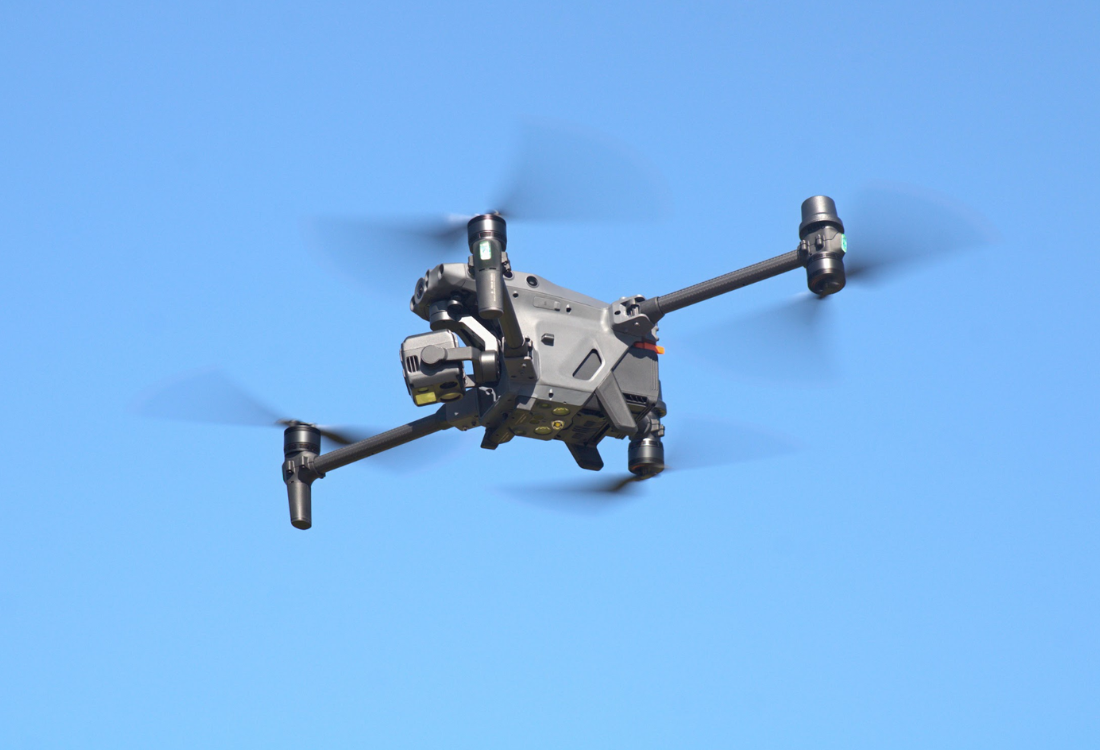
According to BBC News, customers living within approximately 12 kilometres of Amazon's fulfilment centre can now receive selected parcels weighing up to 2.2 kilograms by drone.
While the development has attracted considerable public attention, it also raises an important question: what does it take to operate drones safely and reliably in built-up areas?
For experienced drone operators, the challenge goes far beyond getting an aircraft into the air.
Why Is Drone Flying in Built-Up Areas So Complex?
Urban environments present a combination of operational challenges that aren't always obvious from the ground.
Buildings can interfere with satellite positioning and communications, while narrow streets, changing wind conditions and unpredictable pedestrian movements introduce further complications.
Unlike flights across open countryside, urban drone operations require particularly careful consideration of the surrounding environment.
Key factors include:
- Population density: Managing the risks associated with people moving through or near operational areas.
- Airspace restrictions: Identifying controlled airspace, flight restriction zones and any necessary permissions.
- Physical obstacles: Accounting for buildings, overhead cables, cranes and other structures.
- Emergency procedures: Establishing appropriate responses to equipment failures, changing weather or unexpected activity.
- Operational coordination: Working with property owners, local authorities and other stakeholders where necessary.
These considerations are especially relevant to professional drone filming, where aircraft may need to follow precise flight paths around buildings or operate close to carefully managed production environments.
What Do UK Drone Regulations Mean for Urban Operations?
Professional drone operations in the UK are regulated by the Civil Aviation Authority (CAA), with requirements depending on the aircraft, location and nature of the proposed flight.
Some operations in residential and commercial areas are permitted within the Open category, subject to aircraft classifications and operating restrictions.
More complex operations may fall within the Specific category, requiring an operational authorisation from the CAA.
The distinction is important. Under the CAA's framework, certain advanced activities, including flying beyond visual line of sight (BVLOS), require additional authorisation.
Amazon's delivery operation demonstrates how regulatory arrangements can support more advanced commercial drone applications. However, permissions for a delivery operation cannot simply be applied to unrelated filming activities.
For production managers and directors of photography planning urban aerial sequences, understanding these distinctions early can prevent avoidable complications later.
Why Experience Matters in Urban Drone Filming
Operating a drone in a built-up environment demands more than technical flying ability.
For professional drone filming, the operator must also understand how the aircraft's movements affect the wider production.
A technically possible camera movement isn't necessarily the right choice if it creates unnecessary risk, requires extensive disruption or interferes with the filming schedule.
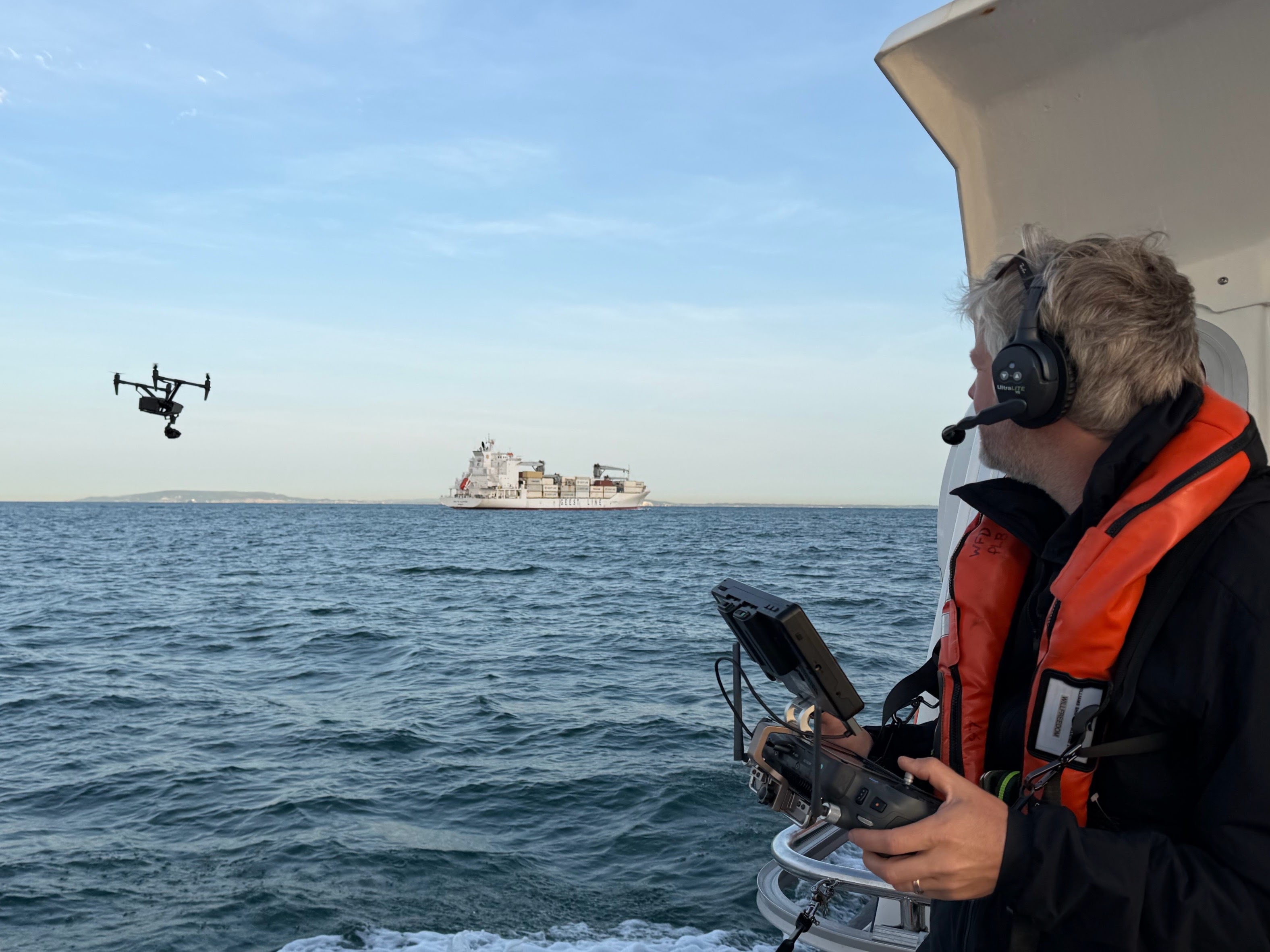
Experienced aerial cinematography teams consider these constraints during pre-production, assessing locations, planning suitable flight paths and establishing appropriate safety arrangements before arriving on set.
They must also balance these operational requirements with the creative objectives of the director and cinematographer.
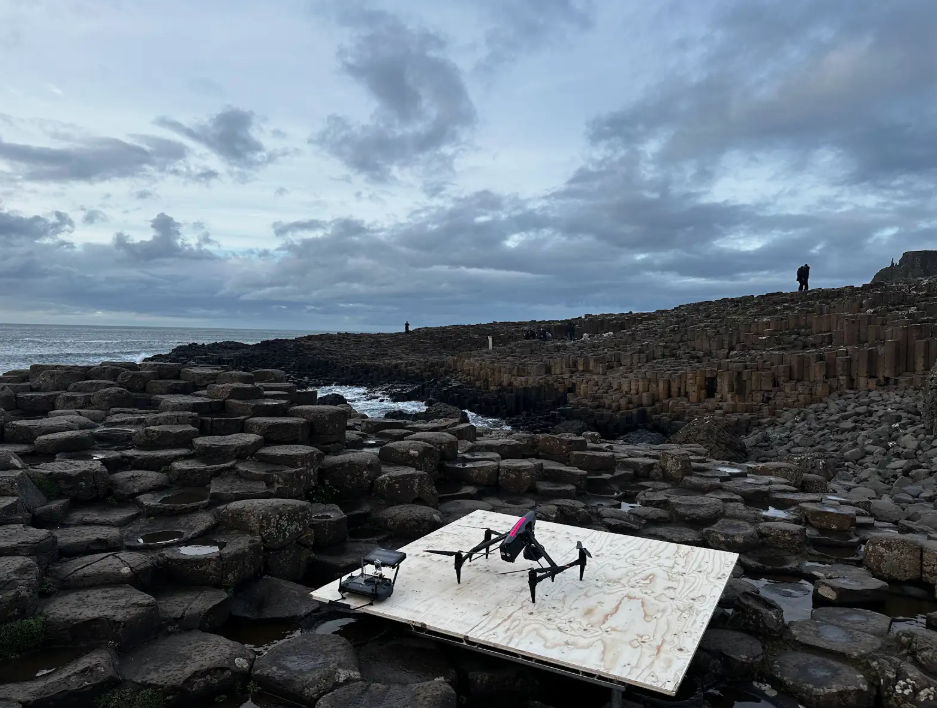
Aerial Craft's work across high-end television, film and live broadcast reflects this combination of technical and production knowledge. Its crews operate specialist platforms, including heavy-lift systems and DJI Inspire 3 aircraft, with configurations selected to meet individual production requirements.
The objective isn't simply to capture a shot. It's to deliver the required footage safely, efficiently and in a way that integrates with the wider crew.
What Could Drone Deliveries Mean for the Future?
Amazon's launch is a significant development, but widespread urban drone operations will depend on more than advances in aircraft technology.
Reliable communications, appropriate airspace management, public acceptance and effective operational oversight will all influence how these services develop.
The UK's wider ambitions are already taking shape. The government's Future of Flight Action Plan sets out a pathway towards routine BVLOS drone operations, alongside the development of other advanced aviation technologies.
For established drone operators, these developments are worth following. As commercial applications expand, the ability to plan and execute complex flights in challenging environments could become increasingly valuable.
What remains constant is the importance of experience, preparation and sound operational judgement.
Planning Drone Filming in a Built-Up Location?
Urban drone filming requires careful coordination between creative requirements, aircraft capability and operational safety.
At Aerial Craft, our experienced aerial teams work with film, television and broadcast productions to plan and deliver specialist drone cinematography in demanding environments.
Contact Aerial Craft to discuss your location, filming requirements and how we can support your next production.
Image Source: Envato
What Producers Should Look For When Hiring a Drone Team
How to Choose the Best DJI Drone for Filming TV Dramas